From African Rhythms to American Streets: Early Tap Dance Development
Exploring how tap dance emerged from the fusion of African percussion traditions and Irish step dancing in 17th-19th century America.

Tap dance carries over 170 years of evolution, connecting African rhythms with Irish footwork in a conversation told through sound. Every shuffle and flam measures precision in fractions of a second, with professional dancers maintaining 32 taps per 8 counts. The floor becomes an instrument where timing matters more than force, and each strike creates dialogue between body and beat.
Each article explores a different angle of tap, from foundational mechanics to performance nuance.
Exploring how tap dance emerged from the fusion of African percussion traditions and Irish step dancing in 17th-19th century America.
How vaudeville theater circuits transformed tap from street performance into polished stage art between 1900 and 1930.
The 1930s film industry transformed tap dance into mainstream entertainment through elaborate musical productions and charismatic stars.
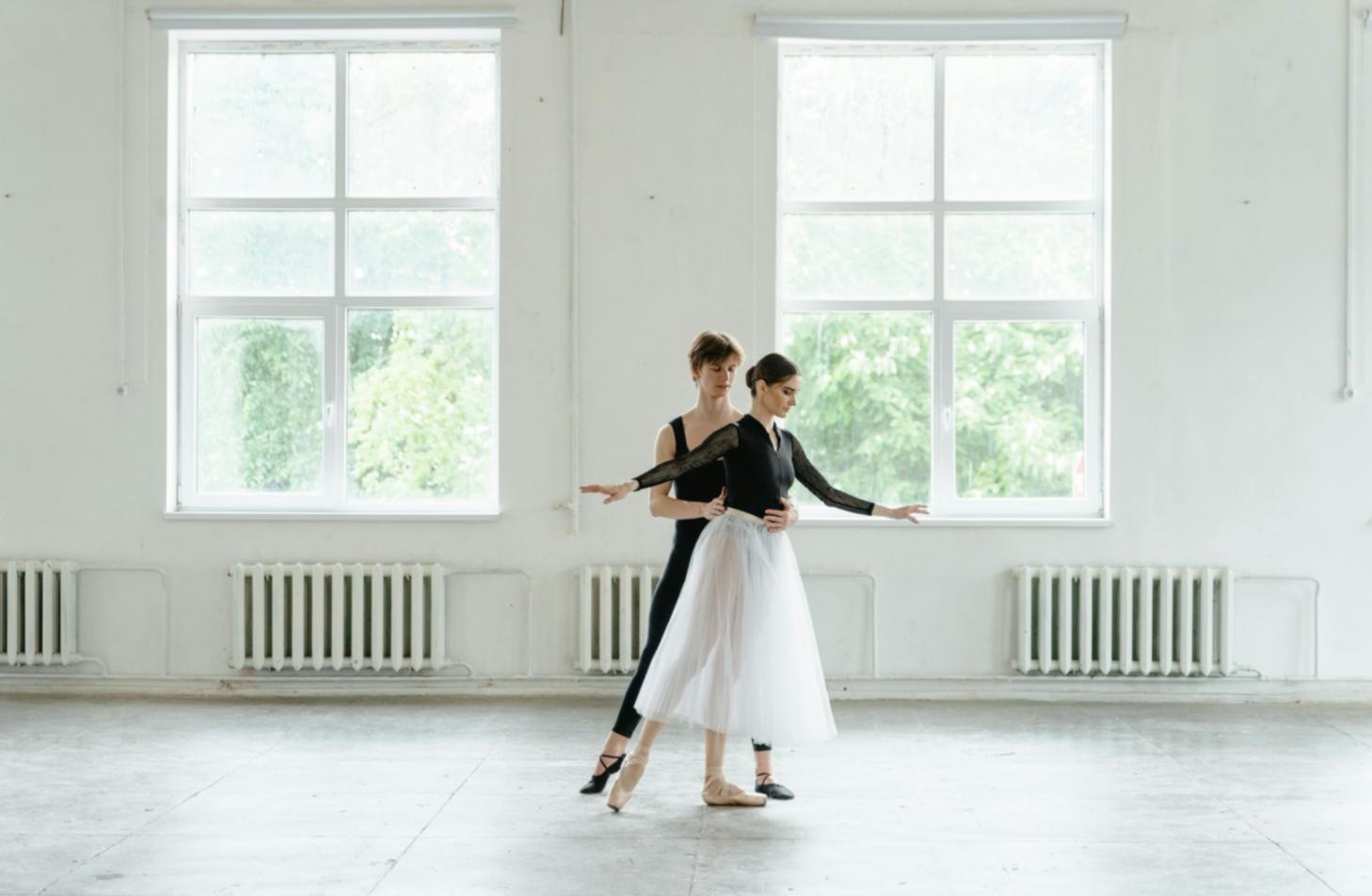
How 1940s-50s tap dancers collaborated with jazz musicians to create rhythm tap, emphasizing improvisation and complex syncopation.
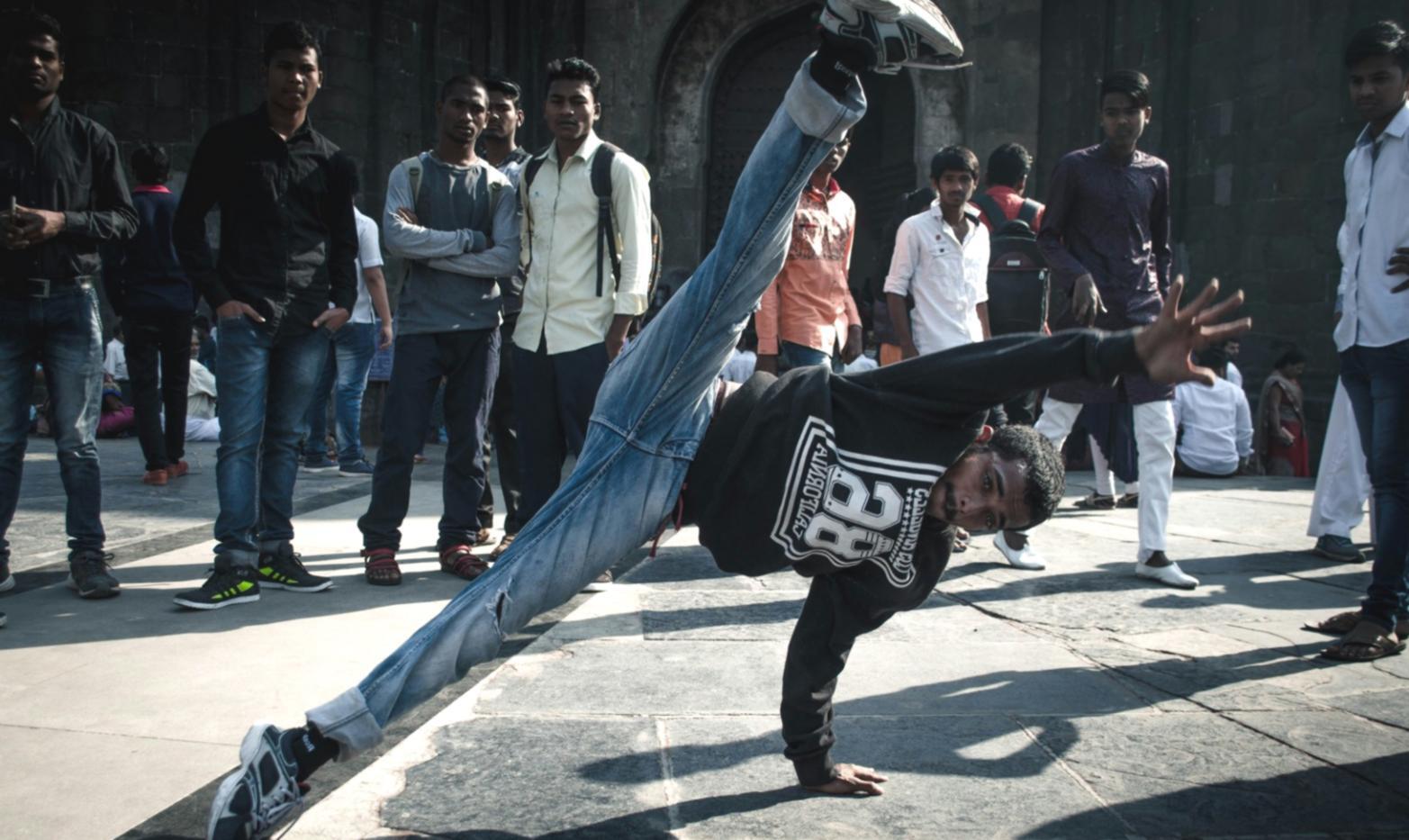
Tracing tap dance's near disappearance in the 1960s-70s and the grassroots revival movement that rescued it in the 1980s.
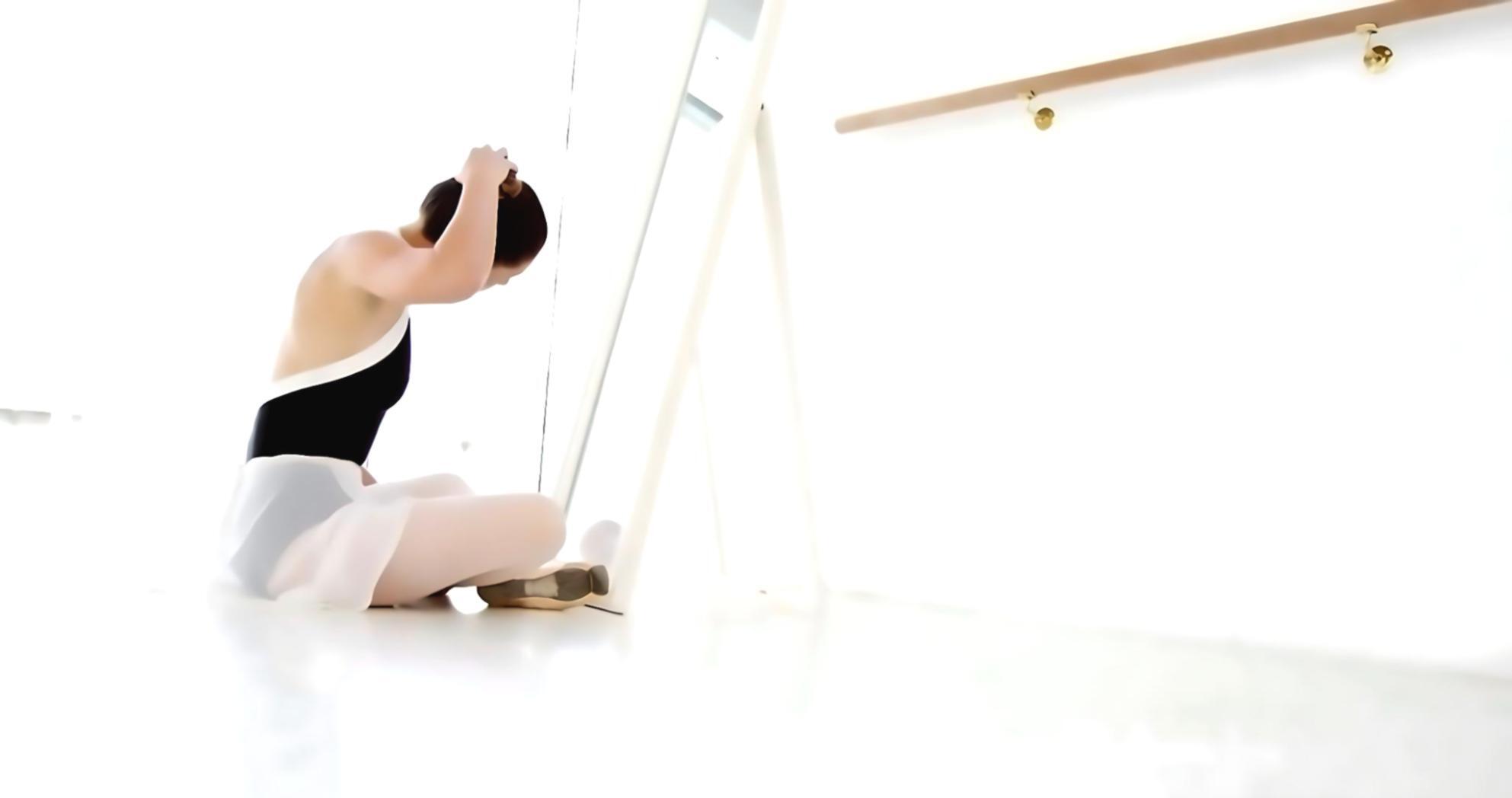
How 21st century tap dance has become a global art form incorporating diverse influences and new technologies while honoring its roots.
Students hit 94% timing accuracy after 12 weeks of structured practice
Combined community effort logged across all active learners in Chernivtsi
Most learners maintain solid form across 78% of complex combinations